
CHEER Pilot Grant Funding
Pilot Grant Program
The CHEER Pilot Grant Program is designed to support early-stage research and build capacity for community and researcher partners to develop the skills, connections, and research agendas that position them to secure subsequent funding for ongoing collaboration focused on improving community health throughout Wisconsin.
In line with CHEER’s mission, projects are led by teams of researchers and community partners who are exploring health questions related to energy, transportation, land use, infrastructure, and extreme weather planning, policies, and choices to understand the potential near-term health benefits for at risk communities.
Pilot Grant Request for Applications
The Center for Health, Energy, and Environmental Research (CHEER) is pleased to offer a third round of pilot grant awards. This year we will offer $90,000 for pilot grants and will fund multiple grants of up to $30,000 each.
In line with CHEER’s mission to understand and support Communities’ needs related to data for decision making to improve and protect their health, CHEER is looking for proposals that have strong community partnerships and are rooted in community needs and knowledge. Specifically, we are interested in proposals that focus on health impacts and sustainability topics that matter to Milwaukee Communities, and those that have tangible outcomes, support decision making, or have clear policy relevance.
To learn more you can read the full request for proposals and view the recording from the information session, both linked below.
Current Funded Projects
-
The health impacts of a wet basement: Exploring the connection between flooded homes and respiratory complications
-
Partnering Community Knowledge with Data-Driven Screening to Identify Actionable Air Pollutants Influencing Preterm Birth in Milwaukee
-
Understanding How Milwaukee’s Green Infrastructure Can Protect Against Extreme Heat Exposure Now and In The Future
-
An Epidemiological Target Trial to Assess the Impact of Climate Change Action on Asthma Burden of Milwaukee Public School Children
-
Health-Oriented Transportation: Safe routes to School in Wisconsin
-
Human Health Effects of Cattle Sector Intensification
The health impacts of a wet basement: Exploring the connection between flooded homes and respiratory complications

Milwaukee has experienced devastating flooding, including major events in 2008, 2010, and most recently August 2025. While impacts were felt across the city, the Northwest Side — particularly zip codes 53209, 53216, and 53218 — was hit the hardest. Northwest Side Community Development Corporation and UW–Madison SeaGrant researchers Carrie Malone and Dr. Adam Bechle will explore the connection between flooded basements and long-term breathing problems, like asthma, in these neighborhoods. As extreme rain events are expected to increase in both frequency and intensity, efforts to manage flooding are more crucial than ever. This project will use both quantitative and qualitative methods to explore this connection and measure how stormwater management strategies affect wet basement reports, property damage, and health outcomes. The impacted community will be involved in data collection. They will also lead follow-up workshops involving the distribution of dehumidifiers for impacted residents, and the installation of rain barrels and rain gardens to better manage stormwater in the future.
By clearly documenting how residential flooding affects people’s health, this project aims to give community groups, nonprofits, and local organizations the evidence they need to secure funding and target investments where they’ll make the biggest difference.
Partnering Community Knowledge with Data-Driven Screening to Identify Actionable Air Pollutants Influencing Preterm Birth in Milwaukee
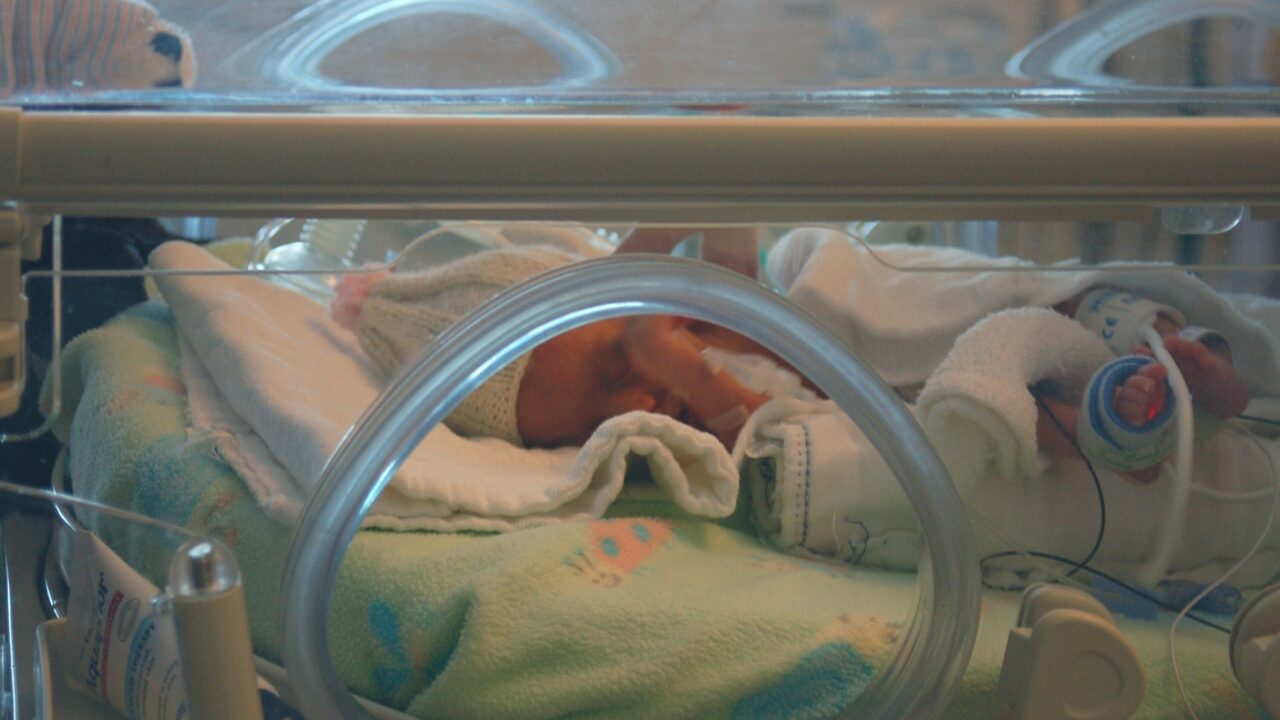
Some air pollutants can harm babies during pregnancy, including raising the risk of preterm birth. This risk is often higher for Black and Brown families and those living in poverty, largely due to the historical placement of polluting industries in low-income communities and communities of color, which is environmental injustice. To address this problem, we first need to understand which specific pollutants are most harmful and where they are coming from – the sources. Dr. Amy Kalkbrenner at UW-Milwaukee is leading a project called MKE-BABIES — Milwaukee Building a Better Infants’ Environment Study — to answer exactly that, in partnership with Clean Wisconsin and the Milwaukee Health Department.
The team will connect air quality data covering hundreds of pollutants to the home addresses of Milwaukee families who had a baby in 2019 and 2022. This will help pinpoint which pollutants are most linked to early births and are driving racial gaps in preterm birth rates. At the same time, Dr. Paul Mathewson and Kayla Rinderknecht from Clean Wisconsin will hold community conversations to share findings and hear directly from residents about local pollution concerns. Together, the data and community input will help to prioritize air pollutants and their sources, to guide future efforts to improve the health of Milwaukee’s babies and families.
Understanding How Milwaukee’s Green Infrastructure Can Protect Against Extreme Heat Exposure Now and In The Future
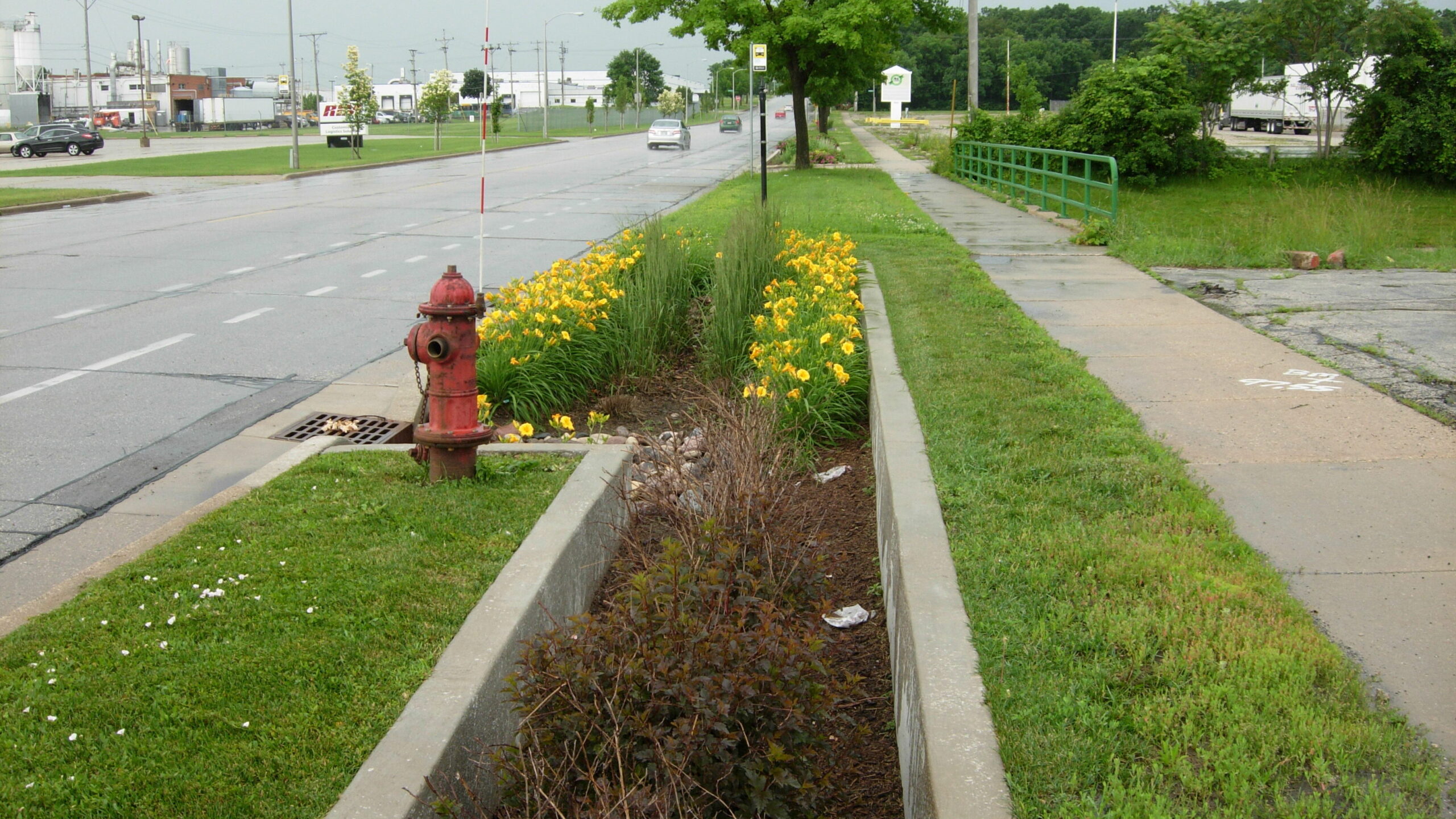
In partnership with the Milwaukee Metropolitan Sewerage District (MMSD), UW–Madison researchers are evaluating the extent to which Milwaukee’s green infrastructure plan can reduce exposure to heat under current and future weather extremes. MMSD’s Regional Green Stormwater Infrastructure (GSI) plan aims to reduce flooding and improve water quality by 2035. It does this through features like rain gardens, green roofs, permeable pavement, and expanded tree canopy. While these features are known to help manage stormwater and improve infrastructure resilience, their ability to also cool neighborhoods and reduce heat exposure for communities remains poorly understood.
The research team, led by Dr. Aaron Alexander, will use advanced atmospheric models to simulate how green infrastructure affects air temperatures and other meteorological factors to predict how hot it feels to people both now and in the future. This is important because most studies exploring cooling use Land Surface Temperature (how hot the ground is), limiting direct estimates of human heat exposure, particularly during extreme events. Results from these models will be statistically downscaled to 1-m resolution using detailed urban land cover and data about shade from buildings and trees, generating street level and neighborhood-scale maps of experiential heat. This will be combined with data on which communities and neighborhoods are most vulnerable to heat – helping to understand which green infrastructure strategies can provide the most cooling so that MMSD can make better resilience investments across Milwaukee.
An Epidemiological Target Trial to Assess the Impact of Climate Change Action on Asthma Burden of Milwaukee Public School Children

In Milwaukee, 20% of children under 18 have an asthma diagnosis, compared with 6.5% of children nationally. This high medical vulnerability to a known contributor to asthma – air pollution, also presents an opportunity to improve health for Milwaukee children with policies and actions that move to clean up the air. Dr. Amy Kalkbrenner, an Environmental Epidemiologist at UW–Milwaukee, is leading this project to explore the effects of different policy choices and energy scenarios on asthma burden in Milwaukee Public Schools (MPS). In collaboration with MPS, Dr. Kalkbrenner’s team is analyzing school nurse visit and absence data for students in K5 – 5th grade across the city for the 2023-2024 school year to establish linkages between students’ exposure to a known asthma irritating air pollutant – nitrogen dioxide (NO2) at school and at home. The next step will be to evaluate future scenarios – showing potential reductions in nurse visits or school absences following actions that clean up the air.
The detailed estimates of NO2 levels are are critical to this project, estimates that arise from the work of other parters in CHEER – Dr. Tracey Holloway (Research Project Lead for CHEER’s Air Quality Modeling), Dr. Monica Harkey, and Dr. Steve Wangen (from the Data Science Core). With just two regulatory air quality monitors in Milwaukee, a new approaches are needed to model daily NO2 levels across the city at high spatial resolution, including the use of satellite observations. Their team is supporting modeling for historical air pollutant exposures, as well as projected levels in future scenarios.
Health-Oriented Transportation: Safe routes to School in Wisconsin
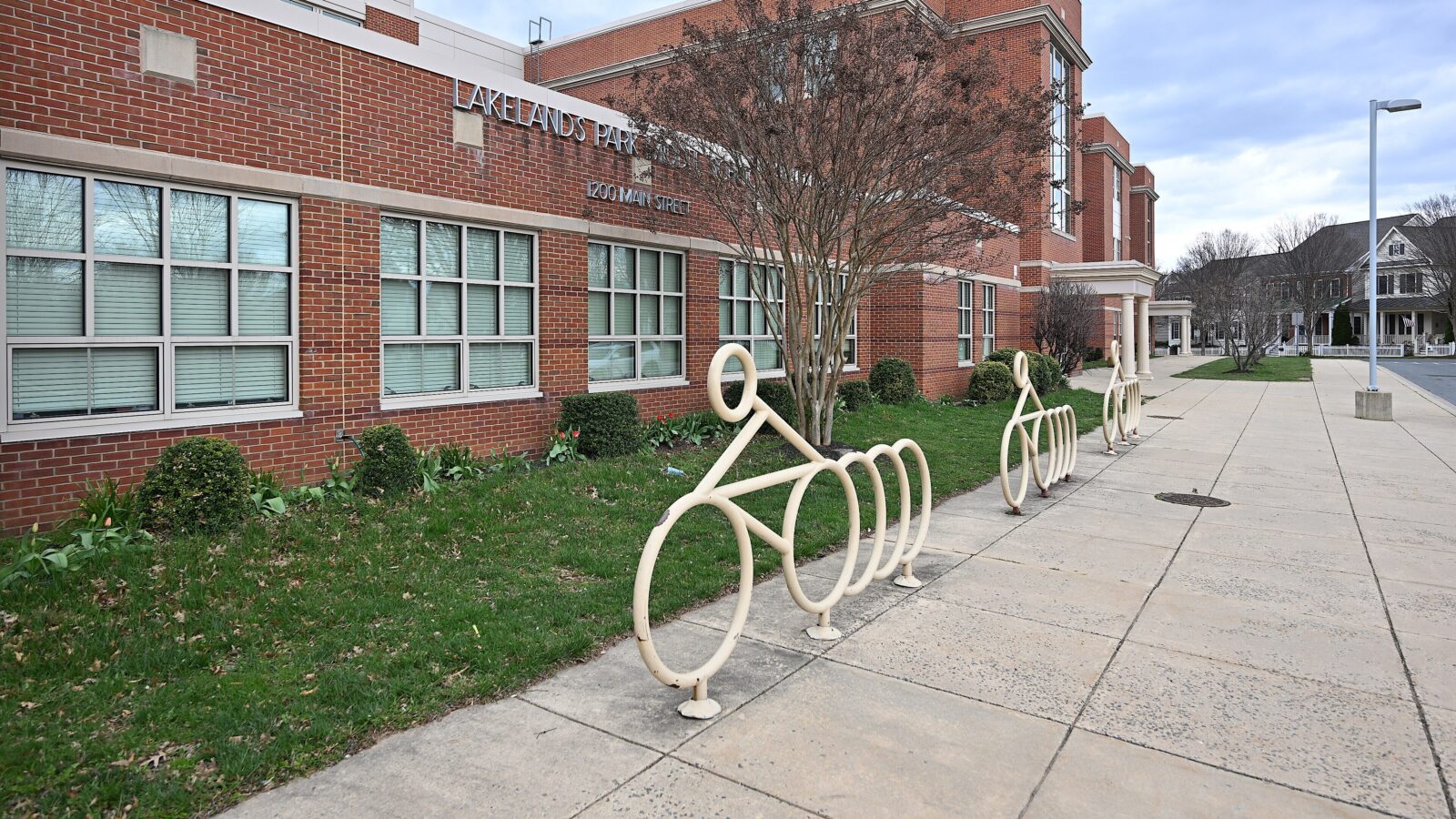
Dr. Samuel Younkin is partnered with Ben Varick and the Wisconsin Bike Federation to learn from high school students in Madison and Milwaukee about their opinions on the safety and popularity or barriers to active travel to school. The team is convening students to discuss these specific areas of safety concern, opportunities for improved infrastructure changes, and the long-term health benefits of active lifestyles that include routine cycling and walking.
With support from the Center’s Data Science Core, Harald Kliems in the UW–Madison Department of Pediatrics Prevention Research Center, and Dr. Xiao Qin from UW–Milwaukee’s Institute for Physical Infrastructure and Transportation, the team is developing tools to analyze routes to school using publicly available Open Street Map data. Feedback and input from students about their experiences biking to school, along with third-party data rating the level of traffic stress, is being used to quantify the potential impacts of infrastructure changes proposed by the community. In collaboration with the Wisconsin Bike Federation the results and outcomes of this work will also be shared back with the schools and bike interest groups and the open-source analysis of routing data will be published to GitHub.
Human Health Effects of Cattle Sector Intensification
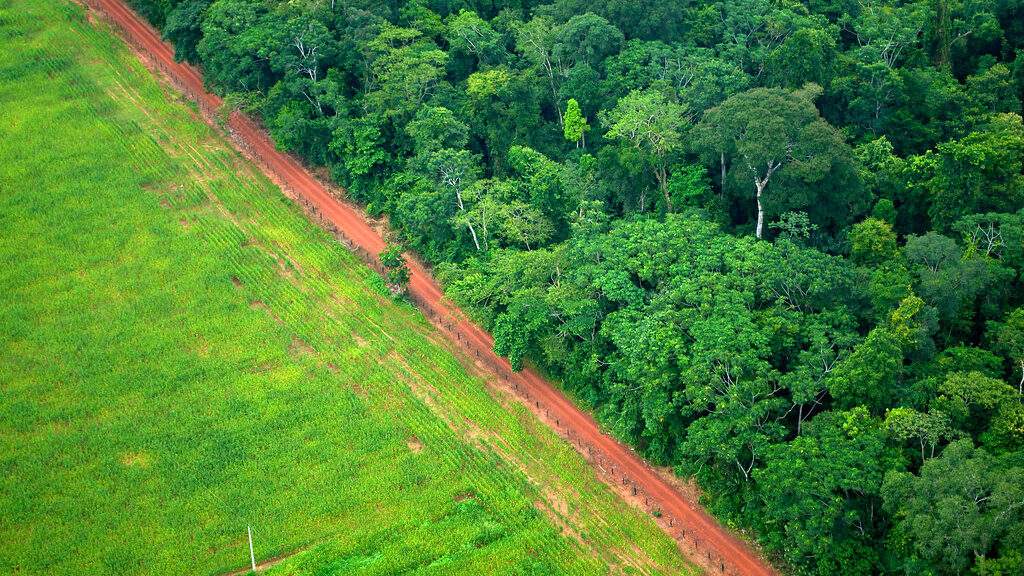
Dr. Holly Gibbs and Tara Mittelberg from UW–Madison’s Global Land Use and the Environment (GLUE) Lab are partnered with Amigos da Terra Brasil to explore the health impacts of cattle intensification practices in the Brazilian Amazon. Concentrated animal feeding operations (CAFOs), also found across the state of Wisconsin, have been proposed as a solution to clearing forest for pasture, which is the largest driver of deforestation in the Amazon. Yet CAFOs have been shown to lead to increased air and water pollution.
This project aims to understand the health implications of these practices, and opportunities for reducing environmental harms in the process. The team is exploring how exposure to cattle feedlots affects human health outcomes, and how environmental factors such as forest cover, soil type, and soil condition mediate these effects. Environmental data from satellite imagery is used to map the evolution of cattle confinements through time using the 30cm satellite imagery available in Google Earth. These data are combined with public databases with municipal-year-level health data acquired from Brazil’s DataSUS database. This work provides a proof-of-concept for technology that could be applied to the U.S.