CHEER Announces Fall Pilot Award Grantees!
The Center for Health, Energy, and Environmental Research (CHEER) is excited to share this announcement of our third round of Pilot Grant Award recipients! These awards recognize outstanding Community-Researcher Partnership teams whose innovative projects have the potential to make a significant impact on climate and health research while responding to urgent public health needs of communities in Milwaukee, Wisconsin.
CHEER is a research partnership with institutional partners from the University of Wisconsin–Madison, Medical College of Wisconsin, and University of Wisconsin–Milwaukee, and Community Advisory Board partners from across Milwaukee. CHEER’s mission is to support research on energy, transportation, land use and infrastructure choices and policies to understand their potential benefits for human health, with a focus on solutions that matter to communities and can improve health in the near term.
About the Pilot Grant Program
The pilot grant program aims to support early-stage research and help researchers and community partners build the skills, connections, and research plans they need to secure future funding for ongoing work focused on improving community health across Wisconsin.
With support from the Department of Population Health Sciences, in partnership with the Center’s award from the National Institutes of Health, $90,000 in funding was provided for three awards for this third cycle of Pilot Grant Awards.
Selection Process & Criteria
In this third round of the Pilot Grant Program, we received nine competitive applications from talented researcher–community partner teams. A review committee consisting of experts from CHEER’s Advisory Boards and institutional partners across an array of disciplines carefully evaluated the proposals. Review criteria included innovation, research and community engagement approach, composition of the project team, project significance, potential for pilot work to lead to future collaboration and funding, and the relevance to Milwaukee communities. The top three scoring proposals were presented to CHEER’s Community Advisory Board to review and approve for funding.
Meet the 2026 Pilot Grant Awardees
We are honored to recognize the following teams as fall 2026 CHEER Pilot Grant Award recipients:
Children’s Health Alliance of Wisconsin, Love My Air Program & UW–Madison Department of Chemistry
Timothy Bertram (UW–Madison, Department of Chemistry); Carissa Hoium (Children’s Health Alliance of Wisconsin); Sarah Kroening (Children’s Health Alliance of Wisconsin)
Creating a Replicable Community Air Monitoring Framework: Using Love My Air Wisconsin’s Sensor Network to Deliver Accessible, Reliable, and Actionable Data
This project aims to address knowledge gaps in low-cost air quality sensor networks by evaluating two existing PM2.5 LoveMyAir Wisconsin monitoring networks that use PurpleAir sensors. UW–Madison Chemistry Professor Timothy Bertram and collaborators at TDEnviro will evaluate the networks, enabling direct comparisons of sensor coverage, performance, and data quality to understand how sensor density and placement influence network effectiveness. Findings will inform practical guidance for designing sustainable and scalable community air monitoring networks and provide evidence-based recommendations for the number and distribution of sensors needed to generate reliable, high-quality air quality data.
Wisconsin Organics & Medical College of Wisconsin (MCW)
Leslie Ruffalo (MCW, Family and Community Medicine); Noreen Mucha (Wisconsin Organics)
Integrating Healthy, Local Wisconsin Foods into the Milwaukee Public Schools Supply Chain
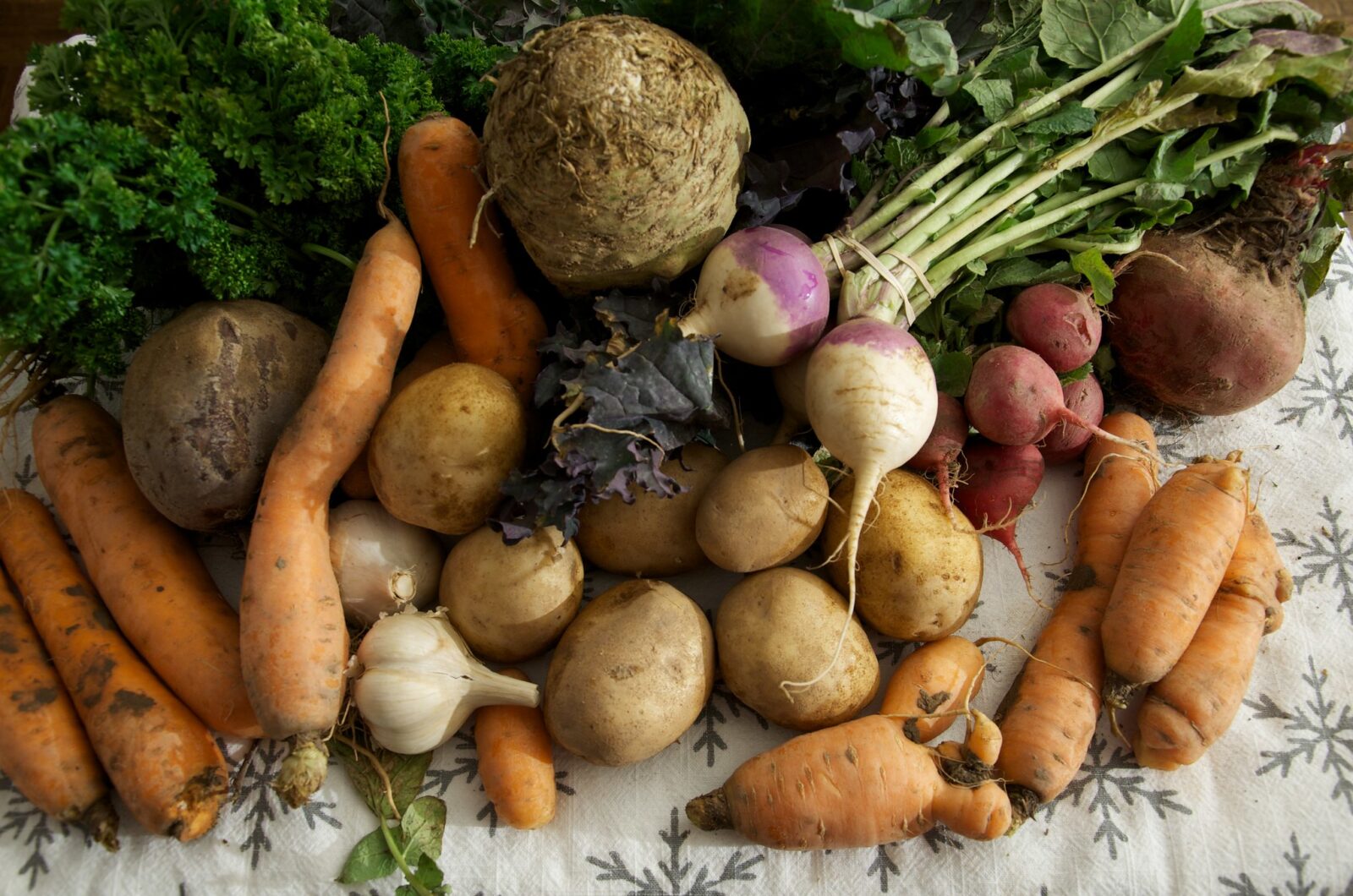
This project will assess school food vendors and food hubs serving Milwaukee Public Schools (MPS) to identify Wisconsin-grown products available and confirm alignment with USDA school meal standards and improve access to fresh, healthy, locally grown foods for students in Milwaukee Public Schools. Led by MCW Professor Leslie Ruffalo and Wisconsin Organics Executive Director Noreen Mucha, the team will utilize site assessments/interviews with school food service staff to examine use of local foods, kitchen equipment and preparation practices, menu patterns, and barriers and opportunities for expanding Wisconsin sourcing. Local Wisconsin food opportunities identified by the team as “featured foods” will be paired with educational farm posters and storytelling videos, creating a scalable model for strengthening local food supply chains and increasing access to nutritious, Wisconsin-produced foods in school as part of a “Wisconsin Wednesdays” pilot in alignment with MPS’s Sustainability Action Plan.
Sherman Park Community Association (SPCA) & Wisconsin Sea Grant
Deidre Peroff (University of Wisconsin Sea Grant Institute/ Aquatic Sciences Center); Ifeoluwapo Tolorunju (Sherman Park Community Association)
Filtered not bottled: Assessing residents perceived risks from drinking water and effective ways to reduce lead and microplastics exposure on Milwaukee’s North Side
Inspired by the Plastic Pollution Coalition’s “Filtered Not Bottled” initiative, this community-engaged pilot study addresses environmental health risks related to lead and microplastic exposure in Milwaukee’s Sherman Park neighborhood. Through collaboration with the University of Wisconsin Sea Grant Institute research lead Deidre Peroff and the Sherman Park Neighborhood Association (SPCA; led by Ifeoluwapo Tolorunju), this project will evaluate whether community-based water filter incentives paired with culturally responsive education can reduce lead and microplastic exposure risk, strengthen trust in filtered tap water, and decrease reliance on single-use bottled water. This pilot will generate actionable research to inform environmental health policies, strengthen outreach strategies, and support future research and funding focused on reducing lead exposure, plastic pollution, and environmental health disparities in Milwaukee.
Acknowledgments
We extend our deepest gratitude to our Pilot Grant Review Committee for their time and dedication in reviewing applications. We also thank the National Institute of Environmental Health Sciences (NIEHS) and the UW–Madison Department of Population Health Sciences who make this program possible. Lastly, we recognize all applicants for their inspiring proposals and commitment to advancing community-driven research.